 |
|
|
|
|
|
|
|
|
||||||||||||||||||||||||||||
 |
||||||||||||||||||||||||||||||||||||
|
||||||||||||||||||||||||||||||||||||



























|
|
||||||||||||
|
|
|
Microsferics Time of Difference of Arrival Display - Near Realtime Interactive Interface |
|
|
||||||||||||||||||||||||||||||||||||||||||||||||||||||||||||||||||||||||||||||||||||||||||||||||||||||||||||||||||||||||
 New Strike + Positive CG x Negative CG o In-Cloud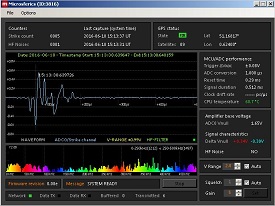
|
|
 |
|
|
|
|
|
TDoA Europe Coverage |
|||
|
Lightning data availability and accuracy subject to coverage. May not be used for protection or planning purposes. |
|||
|
|
|
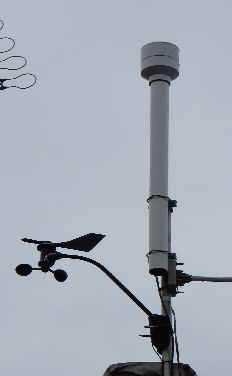
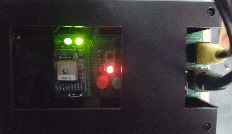
Microsferics Time of Difference of Arrival Display The TDoA (Time of Difference of Arrival) system is a network based lightning triangulation method employing multiple volunteer detection sites across Europe and North America. It provides high accuracy detection which augments the participating stations existing Boltek lightning detection systems. Headcorn Weather is part of this project and supplies data to the TDoA network. The technology utilises the highly stable and immensly accurate GPS timestamp to tag each potential lightning strike which is then mathematically analysed and passed along to a central server where it is subject to further analysis and matching with other detection signatures from alternate stations. When 4 or more stations confirm the same strike it is recorded along with its type (+/- CG or IC) and made available for display, in the above case on a composite vector map with frequent updates. Theoretical accuracy is dependant on the number of stations detecting the strike and the geometry of those stations in relation to the strike itself, however in theory this is between a few Kilometres down to just a few hundred metres which is quite impressive. Further details can be found in the Microsferics How It Works Guide. Our display software is in beta with frequent updates. Acknowledgements to Andy Jones-McGuire for the software development work on this and to Microsferics for the hardware/firmware development and server hosting. |
|
|
|||||||||||||||||||||||||||||||||||||||||||



|
|
|
This weather station is entirely personally funded and is provided free of charge. Please consider making a small donation towards its upkeep by clicking on the donate button to make a secure online payment however small via pay pal credit card payments. Any donations will be gratefully received and put towards improving this service in future. Alternatively why not sign-up FREE to our Cash-Back site, support us and earn generous cash-back on thousands of UK internet purchases. |
|
|

|
|
| like button |